Showing posts with label Alternative Medicine and Therapies. Show all posts

Sunday, November 16, 2014

One Ingredient to Banish Toothache

If right after the sweets, your teeth screams, "It HUUURTS!" What do you do?

I use one simple natural ingredient: Bentonite Clay.

I use Bentonite Clay as face mask

Since I also mix it in with my baking soda toothpaste as a remineralizing and whitening ingredient (you can add Bentonite Clay to my remineralizing toothpaste recipe), I tested it for another remedy- as a natural cure for toothache-and it worked!

I've eaten too much sweets for my own good today, so my tooth ached a bit. 

I just put some Bentonite Clay directly on the ailing (wailing) tooth and let it stay for 10 minutes or more until the pain is gone. 

If the pain returns, I just put some more clay on it and let it stay longer.  Gargle with warm water after.  This clay is safe by the way to eat, although in small amounts. 

I'm so loving these natural solutions that work! 

Here's what I use:
face mask and cures toothache bentonite clay
For Face Mask AND Curing Toothaches!

Ingredient
Bentonite Clay (the amount depends on how much you need for your aching tooth/teeth)

Instructions
1) Put some Bentonite Clay on your painful teeth.
2) Wait for 10 minutes or more until the pain is gone.
3) Gargle with warm water afterwards.

What Witchcraft is This?
Bentonite clay may remineralize teeth, since it is made from calcium.  Its calcium may be helping our teeth remove all that horrible sugar acid stuck on our teeth too, if we have not brushed well, or if our toothpaste does not exactly clean our teeth the way we expect it too. 

If you want to know more why your commercial toothpaste may not be cleaning your teeth well and may even be harming your health, you can read this article of mine. Here's the link.

It also helps to brush first with my homemade remineralizing toothpaste recipe that has antibacterial and natural cleaning ingredients. 

Brush for two minutes (and not more because too long of a brushing might damage your teeth). Gargle with warm water after because warm water washes it faster, although you can use tap water too.

Some Reminders in Using Bentonite Clay
Don't let this clay come in contact with metal things because it will decrease its effectiveness. This clay will not stain your teeth, but will muddy your white clothes, so be careful if in white or other light colored clothing.

Toothaches are no fun, but having a simple, one-ingredient natural solution is fun! 

What natural toothache solutions have you tried?


Tuesday, June 24, 2014

Habits and Exercises to Ease or Prevent Carpal Tunnel Syndrome (CTS)

Carpal Tunnel Syndrome  showing hand parts that get affected


Fighting Against the Future of Failing Fingers

Many of us do it all the time- overworking our fingers, hands, and wrists to the point that we have "invented" a new illness among us frequent computer and other communication devices users. I'm referring to Carpal Tunnel Syndrome (CTS). 

CTS is a "personal illness categorized under cumulative trauma disorder or repetitive motion trauma," and it is the "fastest growing occupational illness in the United States."

Source: Medicine.net

I'm in the Philippines, and with my country having the reputation of being one of the heaviest texters in the world (heaviest texter means we send the most text messages each day in the world; yeah, well, we like connecting to our loved ones, even when they're in the same house, or we're going to meet them the next day), I won't be surprised that, aside from being the "text capital of the world," we'll have pretty soon some of the most cases of young people with Carpal Tunnel Syndrome. Not a good future world record at all.

Then again, with the widespread use of tabs, smartphones, and laptops, among many other devices where we use our hands, in many developed and developing countries, Carpal Tunnel Syndrome might be one of the next most extensive lifestyle diseases of the modern world. Again, not also a good future world record. 

Prevalence of CTS in Certain Industries

Carpal Tunnel Syndrome has been around for some time, wherein most of those who develop it are in the mail service, health care, construction, assembly line, and fabrication industries

Before, CTS afflicts mainly the manual labor industry, but now, it is spreading in the computer industry.

Many of us use our keyboards daily, whether for work, gaming, or other purposes, and we're at also at risk for developing CTS, though lifestyle, and other biological and environmental factors further increase CTS risks.

Symptoms of CTS: Weak in the Hands

Some of the common symptoms of Carpal Tunnel Syndrome are "burning, prickling, and tingling within the wrist or first three fingers and thumb." Other symptoms are weakness in the hand and the tendency to drop objects because of numbness or weakness in pinching/grasping things.

Natural Ways to Prevent CTS

We can make changes in how we use our computer/devices to naturally prevent CTS. Let's make these changes our new habits from now on.

    1. Shaking or stretching the limbs.
    2. Leaning back in the chair.
    3. Squeezing the shoulder blades together.
    4. Taking deep breaths.
  • Practice hand exercises with every break, which are discussed below with pictures.
  • Observe good posture while sitting. I know some would say that good posture is natural, but bad habits can make us forget what good posture is. Here are some reminders on what "good posture" means:
    1. You should sit with your spine at the back of your chair with your shoulders relaxed.
    2. You should rest your elbows at the sides of your body when reading or watching something and with your wrists straight on your sides or lap.
    3. Your feet should be firmly on the floor or footrest.
    4. When typing, your typing materials should be at eye level, to prevent the neck from bending down when working.
    5. You should keep your neck flexible and the head upright to help maintain good circulation and nerve function for arms and hands.
Are You Sitting and Typing Wrong?

Here are some images to help us imagine how to sit and type properly. Basically, how to work (or play games, socialize et al.) without ruining our precious hands and backs (even our eyes and necks).

When Working on a Laptop
How to sit right in front of a laptop to avoid carpal tunnel syndrome and for proper posture
Source: Daeco

When Working in Front of Computers


How to sit right in front of a computer  to avoid carpal tunnel syndrome and for proper posture

You can print these images and put them in front of your PCs or where you usually use your devices. They are great reminders on how to sit and type right.

Treatment and Prevention Exercises for CTS

These exercises are from different health departments. All links lead to these websites where they came from. These exercises can prevent Carpal Tunnel Syndrome , but of course, not 100%, since many other factors can lead to it. At least, there's something we can do to continue our work and pleasures without increasing CTS risks.

These exercises can also treat Carpal Tunnel Syndrome  because they can treat symptoms and reduce the further deterioration of our hands.

Still, do remember that you must consult your physician for further advice.

Some Carpal Tunnel Syndrome Exercises

Carpal Tunnel Syndrome Exercises

The following are exercises copied verbatim from the University of Maryland Medical Center (UMMC).

Wrist Exercises


Exercise 1

    1. Make a loose right fist, palm up, and use your left hand to press gently down against the clenched hand.
    2. Resist the force with the closed right hand for 5 seconds. Be sure to keep your wrist straight.
    3. Turn your right fist palm down, and press the knuckles against the left open palm for 5 seconds.
    4. Finally, turn your right palm so the thumb-side of the fist is up, and press down again for 5 seconds.
    5. Repeat with your left hand.
Exercise 2
    1. Hold one hand straight up shoulder-high with your fingers together and palm facing outward. (The position looks like a shoulder-high salute.)
    2. With the other hand, bend the hand you are exercising backward with the fingers still held together and hold for 5 seconds.
    3. Spread your fingers and thumb open while your hand is still bent back and hold for 5 seconds.
    4. Repeat five times with each hand.
Exercise 3 (Wrist Circle)
    1. Hold your second and third fingers up, and close the others.
    2. Draw five clockwise circles in the air with the two fingertips.
    3. Draw five more counterclockwise circles.
    4. Repeat with your other hand.
Fingers and Hand Exercises

Exercise 1
    1. Clench the fingers of one hand into a tight fist.
    2. Release, fanning out your fingers.
    3. Do this five times. Repeat with the other hand.
Exercise 2
    1. To exercise your thumb, bend it against the palm beneath the little finger, and hold for 5 seconds.
    2. Spread the fingers apart, palm up, and hold for 5 seconds.
    3. Repeat five to 10 times with each hand.
Exercise 3
    1. Gently pull your thumb out and back and hold for 5 seconds.
    2. Repeat five to 10 times with each hand.
No Time for Hand Exercises?

And if you think these exercises are too much of a trouble, think again. Perhaps this image of standard surgery procedures for treating Carpal Tunnel Syndrome will change your mind. Ouch! I can almost feel that knife slicing into my wrist... 

Surgery for Carpal Tunnel Syndrome Patients Prevent through Right Exercises

Make Time and Save Your Hands

These exercises and changes in habits are simple and easy to do. They just need to be done and we're already doing something actively to prevent Carpal Tunnel Syndrome.

Have you felt any numbness in your hands lately? What do you when your hands feel tired?


Friday, January 10, 2014

Knocking Out the Harsh Season with Four Tested Natural Remedies to Colds and Cough


Snow Storm winter cold season tested natural homemade remedies to colds and cough
Common Colds, Cough and You: Who Gets Knocked Down?
Don't let the cold season beat you out of your senses (pun intended) because of colds and cough. Knock them out, not the other way around.

The cold season in some parts of the world right now are beating people relentlessly. On my end, it's a bit cold too, (though it's definitely not snowing in my tropical country, the Philippines) and I'm down with colds and cough myself. 

However, through several tested natural remedies, I've reduced the time that I usually have these horrible illnesses and stopped them from escalating to fever.

Why combine remedies to colds and cough, some of you ask? Usually these sicknesses go together, and some of these tested remedies can beat, not just colds, but cough too. 

These are "tested" remedies because I've tried them on various occasions on my kids and myself and they have helped ease the symptoms and clear these illnesses faster.

Tested Natural Remedies to Colds and Cough


The following are four tested natural remedies to colds and cough. Go for these natural and practical solutions, but make sure you're not allergic to any of these ingredients though. 


The Lime that Killed the Colds with Sour-Sweetness

The first natural remedy is quite popular, simple, and easy to make. It is even seen as a pre-colds remedy, or that time when you feel that your throat is itching before the full-blown colds sets in. As a pre-colds remedy, you can take it to help prevent colds. 

The usual online recipe uses lemon. Lemon, however, is quite expensive in the Philippines, but calamansi or lime is much more affordable here. My sense of practicality demands changes in the usual apple cider vinegar-honey-lemon remedy to colds.

Ingredients 


1 tablespoon of apple cider vinegar (ACV)
1 tablespoon of raw honey
1 tablespoon of lime (or lemon if you have that instead)

One Simple Procedure


Mix them up and drink them two to three times a day. The taste is alright. Honey masks the vinegar's sour taste. 

Effects

  1. Relieves dryness and itchiness of throat for dry cough.
  2. Helps phlegm to be coughed out easily after a day or two for those with phlegm.
Lime's Health Benefits

The Super Fruit that Stole the Soul of Colds 

The second natural remedy is eating a cup of fresh guava or drinking a glass of pure guava juice twice a day. 

Effects

  1. I noticed that guava fruit/juice heals my colds and cough faster than other fruits rich in vitamin C. Though of course, every case might be different. 
  2. I ended my kids' colds in a day too several times because they drank two glasses of guava juice the day before, while also taking the lime remedy.
Guava's Health Benefits

Green Tea's Gingered Solution to Colds

The third natural remedy is green tea with a teaspoon of ginger juice. You can juice fresh ginger or boil ginger and add a green tea bag to your cup of ginger tea. Double greatness for a gingered approach to beating colds and cough. The taste is quite zingy-spicy, and to some, bitter. You can add a teaspoon of honey for sweetness and to triple its nutritional goodness.The sourness is quite good for itchy throat though.

Effects

  1. Relieves itchy throat.
  2. Loosens and moves mucus.
benefits of ginger flu and colds treatment and prevention
The Benefits of Ginger, One of Which is Cold and Flu Prevention and Treatment

Dr. Oz Natural, Homemade Cough Syrup 

The fourth natural remedy is from Dr. Oz. It is a natural homemade cough syrup. I tried this and it helped ease the itchiness of my throat because of phlegmatic cough.

Ingredients

1 tablespoon ACV
1 tablespoon honey
1/4 teaspoon ginger
1/4 teaspoon cayenne pepper

Two Simple Steps


Mix ingredients in 2 tablespoons of water. Gargle before swallowing.

Effects

  1. Relieves itchy throat.
  2. Loosens and moves then removes mucus.
Cayenne Pepper's Health Benefits

How Do These Remedies Achieve Their Benefits?

Cranks up the immune system. ACVhoney, ginger, and green tea, and lime, based on anecdotal evidence and several studies (green tea), can boost the immune system. In turn, they promote vitality and energy that can help you defeat these viruses plaguing your body. 

Vitamin C sources. One of the reasons that ACV, guavahoney, and lime can improve the immune system is that they are good sources of Vitamin C. Some studies showed that eating/drinking foods and liquids that are rich with Vitamin C can help decrease the duration and severity of cold symptoms.

Anti-viral and antibacterial. ACV, honeygingergreen tea, and lime, based on anecdotal evidence and some studies (green tea), have anti-viral and antibacterial properties. These properties make them potent against colds and cough.

Mucus buster. Cayenne pepper can break up and move mucus.

Knock-out Win against Colds and Cough

These four natural remedies to colds and cough are only some of the traditional cures to these illnesses. You can check out and try more colds-and-cough-busting recipes from other sites, such as DIY Natural, one of my favorite natural health websites. 

The important thing is that you are now aware that you are not limited to over-the-counter colds and cough syrups/tablets anymore for you and your family. 

These natural remedies are kid-friendly too, except the one with cayenne, because my kids dislike spicy foods. 

Nature offers us awesome fighting gloves through homemade natural medicine that can beat colds and cough naturally and practically. 

Arm yourself now. And give those viruses the knockout they deserve.


Monday, January 6, 2014

Nightmare at Epilin Street: Homemade, Natural Remedies to Horrible Skin Allergy

Red, itchy blisters that ache to be scratched until they are sore and pus-filled. Anxiety attack from the sight of them and the horrible itchy feeling.

Eew, what a nightmare!

But they're all too real for me before when I had them all over my underarms and legs a few weeks ago. (No, I will not post pictures at all!). 

But why you say? It's because I tried this Epilin hair-removing wax, which seemed natural enough for me because it has very few natural ingredients, and then around 24 hours later, I got severe allergic reaction to it. My skin developed red, itchy red rashes.

I was tempted to go to a dermatologist but stopped myself. 

I know it's wrong (at least for others, but not so much to me anymore) to not consult a medical practitioner on these matters. But since I've gone DIY and natural living, I've realized that nature offers the best medicine already and people in my circles have helpful advices and insights on self-healing through nutrition and natural homemade remedies. 

Also, I didn't want to put ointments with chemicals I am not familiar with anymore on my skin, which I am sure a dermatologist will recommend. After going no 'poo, it seemed to me that I'd be taking a two steps back if I put a whole new set of expensive, manufactured products on my skin.

Plus, derma products are stupendously expensive. Not to mention derma fees. Whew. Just thinking about the money that flows out of my palms make these palms sweat. In other words, I don't find it practical to fully rely on dermatologists and their products for my skin needs.

So, leaving these usual options behind, I had to rely on two doctors: Nature and my immune system. Natural remedies summoned me, and running to them I did!

Homemade Remedies to Skin Allergy

Ingredients

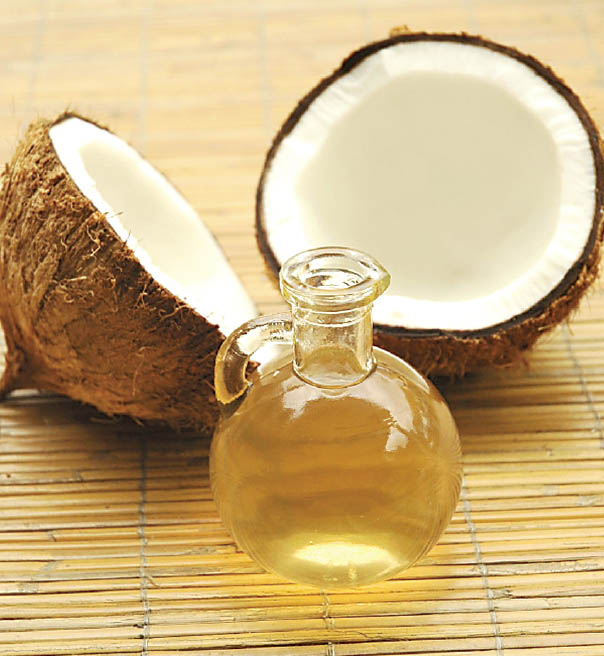
1) Virgin Coconut Oil
2) Baking soda
3) Oatmeal and honey
4) Garlic
5) Tea Tree Castile Soap
6) Boiled water, still warm

And what are these ingredients for?


1) Virgin Coconut Oil- Antibacterial, anti-inflammatory, anti-itch. It soothes the burning feeling of scratching allergies. It also heals the rashes and renews the skin, as least in my experience.
2) Baking soda- Anti-itch and for giving that beautiful relief to soreness.
3) Oatmeal and honey- Antibacterial, anti-inflammatory, anti-itch.
4) Garlic- Antibacterial for any infection that I have enhanced because of my scratching.
5) Tea Tree Castile Soap- Antibacterial.
6) Boiled water, still warm- For washing and making baking soda paste.

Self-treatment Procedures


1) Don't panic and have the ingredients ready. Be well-armed with these supplies.

2) Wash the allergic skin portions with Castile soap with hands only and using warm water. Warm water feels good and removes wax residue, if still present. Pat dry afterwards, not scrub, with towel. Resist the urge to rub or scratch.

3) Put baking soda paste on allergic skin. Just mix baking soda powder with distilled or filtered water or boiled water. Let it stay for ten minutes. This will sting. You can also try cooking oatmeal and adding honey, and then put this on your skin for ten minutes too. I tried this after using the baking soda paste, but only once though.

4) Wash again with warm water. Pat dry. Put generous VCO on the affected areas. Let the skin absorb it for 10 minutes before even considering scratching it again. VCO can relieve itching and burning and will heal the allergy slowly.

5) Mince half a teaspoon of garlic and drink it up with water once a day for its antibacterial properties that can help heal the itchiness and infection from within. Do this until the itchiness goes away and the rashes are completely dry.

Treatment Time


For the rashes to dry using this treatment procedure, it took me four days. Just continue washing with castile soap and putting VCO until the itchiness and redness of rashes are completely gone. This phase took six days. 

Commercial products can promise instant or faster results, but they are loaded with many chemicals you may not want on your skin. I chose natural over manufactured treatment and everything is find on my end.

As for the black scars from the skin rashes, oh the scars... You will know why you should not scratch these rashes hard and long because of these horrible dark scars...

I am using Dr. Wood's exfoliating soap and vitamin E soap for now to renew my skin. Some people say raw 100% cocoa butter will help decrease the darkness of the scars, so I will buy and use that when the budget permits.

The Nightmare Ends

I'm not a doctor but I healed myself. 

No, nature healed me and helped me heal myself.

The nightmare at Epilin Street is all over now. 

Homemade remedies to skin allergy worked for me. You can try it, but make sure you are not allergic to these materials that I used. Otherwise, the nightmare will be extended.

Fear not. Nature has multiple answers. And the Internet offers many solutions. Just make sure to find reliable websites and always test something on a small part of your skin to check for allergic reactions (ugh, that allergic word again).

Nature and the human immune system are awesome healing partners. 

Let them end even the worst skin nightmares for you.

What are some products that gave you skin allergies? What natural remedies did you try that worked and did not work?

Sunday, October 20, 2013

Why Oil Pulling Should Be A Part Of Your Daily Routine: Benefits Of Oil Pulling

Don't pull legs to have an impact on people. Pull oil instead!

Oil pulling is the process of swishing vegetable-based oil in your mouth for 15 to 20 minutes. It is more than just a passing fad because it has been practiced as an Ayurvedic body-detoxifying therapy for thousands of years.  


Oil pulling can have a number of surprising benefits for those not familiar with it. I have personally tried it and I have experienced several dental and health benefits. 


benefits of oil pulling
The Benefits of Oil Pulling
Photo credit: First Descents Organization

Benefits of Oil Pulling

One of the direct benefits of oil pulling is the improvement of dental health. The benefits of oil pulling, however, can go beyond dental health because it may even improve overall health. 

Most of the evidence presented here to support oil pulling's advantages are anecdotal, or from the testimonies of others, though some doctors  and studies support the various positive effects of oil pulling.

Dental Health Benefits


  1. Less sensitive teeth. Oil pulling can decrease the sensitivity of your teeth by reducing plaque that causes tooth decay and by restoring the natural ph levels of your mouth. On ph levels: "When the mouth pH is 7.1 or higher, there is no tooth decay. Corresponding to the healthier mouth environment, not conducive to tooth decay, is a lesser number of bacteria in the mouth."
  2. Whiter teeth. Testimonials, such as from Dr. Mercola and Wellness Mama, show that oil pulling has whitened their teeth. A more specific and direct explanation for the teeth-whitening effect of oil pulling remains under-researched, however. 
  3. Stronger gums. Oil pulling can improve the health of your gums through curbing bacterial growth that can weaken it.
  4. Reduces plaque. Several types of vegetable oil (such as coconut oil) have antibacterial properties that can kill bacteria which cause plaque buildup.
  5. Cure gingivitis. Strengthening gums and teeth through oil pulling can cure gingivitis.

Other Health Benefits

  1. Detoxifies the body. Oil pulling can clean the body's toxins. Dr. Bruce Fife offers an interesting metaphor for oil pulling: "The oil acts like a cleanser. When you put it in your mouth and work it around your teeth and gums it 'pulls' out bacteria and other debris. It acts much like the oil you put in your car engine. The oil picks up dirt and grime. When you drain the oil, it pulls out the dirt and grime with it, leaving the engine relatively clean. Consequently, the engine runs smoother and lasts longer. Likewise, when we expel harmful substances from our bodies our health is improved and we run smoother and last longer."
  2. Alleviates pain and other symptoms related to several illnesses. Some sources showed that oil pulling can alleviate pain and other symptoms related to asthma, allergies, chronic fatigue, diabetes, migraine headaches, PMS, and chronic skin problems, among other illnesses. A possible explanation is that when the body is cleansed through oil pulling, bacterial and stress-related causes of these illnesses may be removed.

How to do Oil Pulling

Ingredient:

Any type of vegetable oil: Sunflower and sesame seed oils are some of the most widely used oils for oil pulling, but some people prefer olive, coconut, almond, and other oils. 

Note: I prefer virgin coconut oil because it is a local Philippine product and cheaper and more accessible than sunflower and sesame seed oil. I like the taste of virgin coconut oil better than other oils too. Also, virgin coconut oil has antibacterial, anti-inflammatory, and anti-fungal benefits.

Instructions: How to do Oil Pulling
  1. Use 1 to 2 teaspoons of oil.
  2. Swish the oil around your mouth for 15 to 20 minutes. The duration of oil pulling is important because it takes 15 to 20 minutes for the oil to break plaque and bacteria, but not long enough for them to be re-absorbed into the mouth. Do not swallow or gargle the oil because it is full of toxins and bacteria. Swish the oil, pulling from and drawing it to your teeth, tongue, and gums. 
  3. Spit the oil after into your trash can or outside (soil in your garden) to avoid clogging sinks or drains, especially when you live in areas with cold climates. 
  4. Rinse with warm water very well. You can brush your teeth after oil pulling too if you want.

Best Time for Oil Pulling

According to Dr. Fife, oil pulling is best done before eating or drinking anytime of the day. It can be done once or thrice a day on an empty stomach.

Passing Time: Twenty-Minute Habits

Multitaskers might have a hard time accepting that 20 minutes of mere oil swishing is worth it. On my part, I do something else while oil pulling. Some suggested activities are:
  • Oil pulling while watching the news.
  • Oil pulling while preparing food.
  • Oil pulling while taking a shower.
  • Oil pulling while reading news online.
  • Oil pulling while reading and commenting to news feeds in G+, Facebook, Twitter and the like.
  • Oil pulling while doing research for our blogs.
When oil pulling is done with other activities, time will fly faster. 

Some Possible Initial Side Effects

Dr. Fife and some testimonials say that they have experienced these side effects:
  • mild congestion
  • headache
  • mucus drainage 
Dr. Fife explains that these effects may be some of the initial effects of detoxification: "These symptoms will subside as your body becomes cleaner and you become more comfortable with oil pulling."

I have actually experienced a slight headache during my first oil pulling, but I no longer experience it. Some family members have allergies, so they experienced mucus buildup during oil pulling, but these effects subsided after continued use. They attest that they experience fewer symptoms of their allergies when oil pulling.

Oil Pulling: Swishing towards Health and Confidence

Oil pulling is now a part of my morning routine, especially since my mother already knows how to make coconut oil, and I'm feeling the benefits of oil pulling.

Pull oil, not legs, and the impact is the same- a better effect on people you are talking with because of the confidence and good feeling that come from a bright smile, fresh breath, and detoxified body.

Have you tried oil pulling? What do you do to kill time while killing bacteria and toxins through oil pulling?

Monday, October 14, 2013

Reflexology: Quack or Smack On?

Your health is in your hands, I mean, your feet.

Whether you are an athlete suffering from muscle pain because of a good run, or an individual who feels the burn of a high-intensity cardio workout or lower body pains from an awesome leg/thigh exercises, or someone in pain because of various illnesses, reflexology might help you deal with the pain. 

Reflexology is basically about applying pressure on certain parts of the feet that are connected to a body organ in pain. Massaging these parts are believed to reduce stress and pain by balancing energy levels.


People who grew up drinking medicine tend to be wary when they hear alternative medicine. For them, reflexology, acupuncture and the like smell as fishy as a quack doctor. 

But if you want to try a different therapy, something easy to do, and at the same time, something that may provide immediate benefits, if not long-term when continued, reflexology can offer something for everyone in pain.

Reflexology: Pressure that Ends Pain 

Reflexology is "the application of appropriate pressure to specific points and areas on the feet, hands, or ears." 

Reflexologists assert that these areas and reflex points are connected to different body organs and systems, and pressing or rubbing them can have a positive effect on that organ, as well as the individual's general health (1). The positive effect may be alleviation of pain or curing of that illness (2).

Another simple explanation of the impact of reflexology is that for those who feel pain in different parts of their body, pressure on those reflex points can relieve their pain. If you look at the reflexology chart below, number 1 refer to the sinus, so if you have sinusitis, massaging those places can help relieve it.

Reflexology is not officially recognized as an acceptable medical procedure for diagnosing or curing health problems, but millions of people use it because it helps them treat their illnesses, or it complements other medications or other set of alternative therapies, such as acupressure and acupuncture (3).

Several studies showed that reflexology can treat pain and anxiety that go with these health conditions: asthma (4), cancer (5), cardiovascular issues (6), diabetes (7), headaches (8), kidney function (9), PMS (10), and sinusitis (11). See also the Howcast video below for relieving pain from menstrual cramps.

Reflexology Quack or Smack On
Reflexology Chart: Health in Terms of Feet
How to Relieve PMS and Menstrual Cramps through Reflexology

Reflexology Points and Areas

Maps of reflex points are used by practitioners all over the world, but not all of them agree on the exact location of every point (12). General agreement has been established, nonetheless, on primary reflex points (13).

Reflexology charts or reflexology maps are representations of the human body. Each foot refers to the "vertical half of the body" (14). The left foot stands for the left side of the body, while the right foot refers to the right side of the body. 

Some reflexologists massage the hands or ears too. Though they may have different approaches, their main goal is to release the stress from the nervous system and to balance energy levels (15).

Take Caution

You do have to be mindful of your health conditions before trying reflexology. For example, reflexology may not be advisable for you, if you have diabetes and you're just healing from wounds and gout flares.

You also have to be cautious if you're pregnant or breastfeeding. If you have severe vascular disease of the legs or feet or heart conditions, reflexology may not be advisable for you. Though some people with heart conditions might claim that reflexology helped them, it's not always something that safely and effectively applies to everyone. 

In other words, like pharmaceutical medicine, reflexology has its limits and it may have drawbacks for certain people.

Reflexology: Quack or Smack On?

I'm not claiming that reflexology is the best and only treatment for you. I'm just offering an alternative. Something else that you can do on your own or ask others to do for your without popping pills.

I honestly prefer alternative therapies and food as medicine compared to drinking pharmaceutical drugs. I don't have any serious illness though so my case is different. 

What is quack to others might be smack on effective for you.

All I know is that I hope that if you try reflexology for your different health needs, it will work for you, so you don't have to drink pain or anxiety medications.

All I know is that our body can heal itself. That we can manage our own pain. 

All I know is that your foot is your health too. 

What alternative therapies have you tried when treating pain and other illnesses? Did they work or they worked only in combination with other therapies or medicine?

References

1) Teagarden, K. (n.d.). "Reflexology." University of Minnesota. Retrieved from http://www.takingcharge.csh.umn.edu/explore-healing-practices/reflexology

2) Ibid.

3) Ibid.

4) Ng,T.P., Wong, M.L., Hong, C.Y., Koh, K.T.C., & Goh, L.G. (2003). The use of complementary and alternative medicine by asthma patients. QJM, 96(10), 747-754. Retrieved from http://qjmed.oxfordjournals.org/content/96/10/747.short

5) Stephenson, N.L., Weinrich, S.P., & Tavakoli, A.S. (2000). The effects of foot reflexology on anxiety and pain in patients with breast and lung cancer. Oncology Nursing Forum, 27(1), 67-72. Retrieved from http://www.ncbi.nlm.nih.gov/pubmed/10660924

Hodgson, H. (2000). Does reflexology impact on cancer patients' quality of life? Nursing Standard, 14(31), 33-38. Retrieved from http://europepmc.org/abstract/MED/11973949/reload=0;jsessionid=54sj8hr5Y8m5IIy0OIRE.40

6)  Padial, E.R.,  López, N.T.,  Bujaldón, J.L., Villanueva, I.E., & del Paso, G.R. (2012). Cardiovascular effects of reflexology in healthy individuals: Evidence for a specific increase in blood pressure. Alternative Medicine Studies. Retrieved from http://www.pagepress.org/journals/index.php/ams/article/view/3589

7) Ulbricht, C. (2009). Diabetes: An integrative approach: a natural standard monograph.  Alternative & Complementary Therapies, 15 (6), 311.

8) Stone, P.S. (20110. Reflexology & headaches: Opening the door to relief. Massage & Bodywork, 26(4), 34.

9) Markell, M.S. (2005). Potential benefits of complementary medicine modalities in patients with chronic kidney disease. Advances in Chronic Kidney Disease, 12(3), 292–299. Retrieved from http://www.sciencedirect.com/science/article/pii/S1548559505000704

10) Steiner, M. (2000). Premenstrual syndrome and premenstrual dysphoric disorder: guidelines for management. Journal of Psychiatry and Neuroscience, 25(5): 459–468.

11) Gunter, A., Van Eeden, V., & De Jager, L. (2007). Reflexology versus reflexology and colour therapy combined for treating chronic sinusitis. Interim : Interdisciplinary Journal, 6(1), 24-36.

12) Teagarden

13) Ibid.

14) Ibid.

15) Ibid.