Showing posts with label Dental Care. Show all posts

Sunday, November 16, 2014

One Ingredient to Banish Toothache

If right after the sweets, your teeth screams, "It HUUURTS!" What do you do?

I use one simple natural ingredient: Bentonite Clay.

I use Bentonite Clay as face mask

Since I also mix it in with my baking soda toothpaste as a remineralizing and whitening ingredient (you can add Bentonite Clay to my remineralizing toothpaste recipe), I tested it for another remedy- as a natural cure for toothache-and it worked!

I've eaten too much sweets for my own good today, so my tooth ached a bit. 

I just put some Bentonite Clay directly on the ailing (wailing) tooth and let it stay for 10 minutes or more until the pain is gone. 

If the pain returns, I just put some more clay on it and let it stay longer.  Gargle with warm water after.  This clay is safe by the way to eat, although in small amounts. 

I'm so loving these natural solutions that work! 

Here's what I use:
face mask and cures toothache bentonite clay
For Face Mask AND Curing Toothaches!

Ingredient
Bentonite Clay (the amount depends on how much you need for your aching tooth/teeth)

Instructions
1) Put some Bentonite Clay on your painful teeth.
2) Wait for 10 minutes or more until the pain is gone.
3) Gargle with warm water afterwards.

What Witchcraft is This?
Bentonite clay may remineralize teeth, since it is made from calcium.  Its calcium may be helping our teeth remove all that horrible sugar acid stuck on our teeth too, if we have not brushed well, or if our toothpaste does not exactly clean our teeth the way we expect it too. 

If you want to know more why your commercial toothpaste may not be cleaning your teeth well and may even be harming your health, you can read this article of mine. Here's the link.

It also helps to brush first with my homemade remineralizing toothpaste recipe that has antibacterial and natural cleaning ingredients. 

Brush for two minutes (and not more because too long of a brushing might damage your teeth). Gargle with warm water after because warm water washes it faster, although you can use tap water too.

Some Reminders in Using Bentonite Clay
Don't let this clay come in contact with metal things because it will decrease its effectiveness. This clay will not stain your teeth, but will muddy your white clothes, so be careful if in white or other light colored clothing.

Toothaches are no fun, but having a simple, one-ingredient natural solution is fun! 

What natural toothache solutions have you tried?


Sunday, October 20, 2013

Why Oil Pulling Should Be A Part Of Your Daily Routine: Benefits Of Oil Pulling

Don't pull legs to have an impact on people. Pull oil instead!

Oil pulling is the process of swishing vegetable-based oil in your mouth for 15 to 20 minutes. It is more than just a passing fad because it has been practiced as an Ayurvedic body-detoxifying therapy for thousands of years.  


Oil pulling can have a number of surprising benefits for those not familiar with it. I have personally tried it and I have experienced several dental and health benefits. 


benefits of oil pulling
The Benefits of Oil Pulling
Photo credit: First Descents Organization

Benefits of Oil Pulling

One of the direct benefits of oil pulling is the improvement of dental health. The benefits of oil pulling, however, can go beyond dental health because it may even improve overall health. 

Most of the evidence presented here to support oil pulling's advantages are anecdotal, or from the testimonies of others, though some doctors  and studies support the various positive effects of oil pulling.

Dental Health Benefits


  1. Less sensitive teeth. Oil pulling can decrease the sensitivity of your teeth by reducing plaque that causes tooth decay and by restoring the natural ph levels of your mouth. On ph levels: "When the mouth pH is 7.1 or higher, there is no tooth decay. Corresponding to the healthier mouth environment, not conducive to tooth decay, is a lesser number of bacteria in the mouth."
  2. Whiter teeth. Testimonials, such as from Dr. Mercola and Wellness Mama, show that oil pulling has whitened their teeth. A more specific and direct explanation for the teeth-whitening effect of oil pulling remains under-researched, however. 
  3. Stronger gums. Oil pulling can improve the health of your gums through curbing bacterial growth that can weaken it.
  4. Reduces plaque. Several types of vegetable oil (such as coconut oil) have antibacterial properties that can kill bacteria which cause plaque buildup.
  5. Cure gingivitis. Strengthening gums and teeth through oil pulling can cure gingivitis.

Other Health Benefits

  1. Detoxifies the body. Oil pulling can clean the body's toxins. Dr. Bruce Fife offers an interesting metaphor for oil pulling: "The oil acts like a cleanser. When you put it in your mouth and work it around your teeth and gums it 'pulls' out bacteria and other debris. It acts much like the oil you put in your car engine. The oil picks up dirt and grime. When you drain the oil, it pulls out the dirt and grime with it, leaving the engine relatively clean. Consequently, the engine runs smoother and lasts longer. Likewise, when we expel harmful substances from our bodies our health is improved and we run smoother and last longer."
  2. Alleviates pain and other symptoms related to several illnesses. Some sources showed that oil pulling can alleviate pain and other symptoms related to asthma, allergies, chronic fatigue, diabetes, migraine headaches, PMS, and chronic skin problems, among other illnesses. A possible explanation is that when the body is cleansed through oil pulling, bacterial and stress-related causes of these illnesses may be removed.

How to do Oil Pulling

Ingredient:

Any type of vegetable oil: Sunflower and sesame seed oils are some of the most widely used oils for oil pulling, but some people prefer olive, coconut, almond, and other oils. 

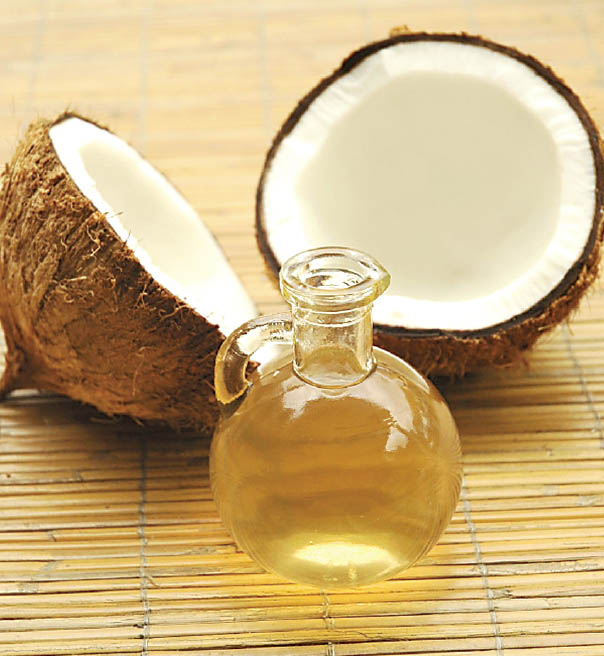
Note: I prefer virgin coconut oil because it is a local Philippine product and cheaper and more accessible than sunflower and sesame seed oil. I like the taste of virgin coconut oil better than other oils too. Also, virgin coconut oil has antibacterial, anti-inflammatory, and anti-fungal benefits.

Instructions: How to do Oil Pulling
  1. Use 1 to 2 teaspoons of oil.
  2. Swish the oil around your mouth for 15 to 20 minutes. The duration of oil pulling is important because it takes 15 to 20 minutes for the oil to break plaque and bacteria, but not long enough for them to be re-absorbed into the mouth. Do not swallow or gargle the oil because it is full of toxins and bacteria. Swish the oil, pulling from and drawing it to your teeth, tongue, and gums. 
  3. Spit the oil after into your trash can or outside (soil in your garden) to avoid clogging sinks or drains, especially when you live in areas with cold climates. 
  4. Rinse with warm water very well. You can brush your teeth after oil pulling too if you want.

Best Time for Oil Pulling

According to Dr. Fife, oil pulling is best done before eating or drinking anytime of the day. It can be done once or thrice a day on an empty stomach.

Passing Time: Twenty-Minute Habits

Multitaskers might have a hard time accepting that 20 minutes of mere oil swishing is worth it. On my part, I do something else while oil pulling. Some suggested activities are:
  • Oil pulling while watching the news.
  • Oil pulling while preparing food.
  • Oil pulling while taking a shower.
  • Oil pulling while reading news online.
  • Oil pulling while reading and commenting to news feeds in G+, Facebook, Twitter and the like.
  • Oil pulling while doing research for our blogs.
When oil pulling is done with other activities, time will fly faster. 

Some Possible Initial Side Effects

Dr. Fife and some testimonials say that they have experienced these side effects:
  • mild congestion
  • headache
  • mucus drainage 
Dr. Fife explains that these effects may be some of the initial effects of detoxification: "These symptoms will subside as your body becomes cleaner and you become more comfortable with oil pulling."

I have actually experienced a slight headache during my first oil pulling, but I no longer experience it. Some family members have allergies, so they experienced mucus buildup during oil pulling, but these effects subsided after continued use. They attest that they experience fewer symptoms of their allergies when oil pulling.

Oil Pulling: Swishing towards Health and Confidence

Oil pulling is now a part of my morning routine, especially since my mother already knows how to make coconut oil, and I'm feeling the benefits of oil pulling.

Pull oil, not legs, and the impact is the same- a better effect on people you are talking with because of the confidence and good feeling that come from a bright smile, fresh breath, and detoxified body.

Have you tried oil pulling? What do you do to kill time while killing bacteria and toxins through oil pulling?

Sunday, October 13, 2013

Homemade Remineralizing Toothpaste

If I tell you that there's a possibility that a combination of the right nutrition and the right remineralizing toothpaste can cure your tooth decay by initiating a self-repair process for your teeth, would you believe it?

I was skeptical at first. I already have a couple of pasta-filled teeth, so in my mind I was thinking, well, how controversial is that! A tooth-cavity-busting-teeth-healing toothpaste for real? 

I mean, if you have a tooth cavity already, some dentists would immediately recommend pasta-filling. Drill the tooth, fill it with pasta, and there you have it, a repaired tooth that would need refilling every now and then. 

That's how it's done. That's how people usually fix decaying teeth. That's how I knew it could only be done.

Apparently, I was so wrong. It is possible for our teeth to repair itself.

For the past fifteen years, studies, such as from Kaufman et al. (1999), Munoz et al. (1999), Zhang et al. (2007) and Fowler et al. (2006), are showing positive benefits from using remineralizing toothpaste. These benefits include rehardening broken or damaged enamel and decreasing tooth sensitivity to acidic products. 

If you want to read more on the process of remineralizing teeth, continue with this article, or you can go ahead to the Homemade Remineralizing Toothpaste recipe below because you already believe that we can self-heal many of our illnesses through a healthy diet and using natural products. 

Also, to read more about homemade toothpaste's benefits, and why commercial toothpaste may actually be bad for you, you can read "Commercial Toothpaste's Ingredients: Are They Safe?" from my post "Three Easy Steps for Baking Soda Toothpaste (Safe for Kids)"

Remineralizing: Activating the Ability of Your Teeth to Self-Heal Tooth Decay


Remineralizing our teeth is the process of delivering calcium and phosphate ions to the teeth, where these ions, in turn, can rebuild enamel through remineralizing the teeth. 

Remineralizing, with its ability to deliver natural tooth-building ingredients to our teeth, can activate their natural self-repair process. 

Sounds freaky? It's not if you think that it's possible for our bodies to self-heal with the right mindset, diet, lifestyle, and natural products.

For me, remineralizing offers a natural way of curing dental cavities. It's our teeth rebuilding itself with the right tools.

Homemade Remineralizing Toothpaste

I used the recipe for our homemade remineralizing toothpaste from Wellness Mama, being a fan of Katie and all that, and because I find her recipe very easy to make. 


Ingredients for homemade remineralizing toothpaste

Ingredients

  • 5 parts Calcium powder or Calcium Magnesium Powder
  • 2 parts Baking Soda
  • 3-5 parts virgin coconut oil to achieved the desired consistency and texture
Note: By 5 parts, you can refer to it as 5 tablespoons or teaspoons as you wish. You can try coconut oil (the one used for cooking), though I've personally used only virgin coconut oil. You can also just make fresh small batches to use for the day and combine the mentioned ingredients according to the consistency you want. 

Optional Ingredients

  • 3 parts Xylitol Powder (Note: You may want to include this though because the study of Sano et al. in 2007 showed that xylitol helped enhance the remineralizing process).
  • Essential oils for flavor (mint, cinnamon, and orange are all good), Grapefruit Seed Extract, Myrrh and Trace Minerals (Note: I used 5 drops of Peppermint oil. Be careful of using essential oils when nursing and when pregnant though. You have to do research/consult health professionals on these essential oils that may not be good for nursing/pregnant mommies).

How to Make Homemade Remineralizing Toothpaste

1. Mix all calcium powder, baking soda, and xylitol (if using) well in a bowl. I crushed the calcium tablets we have. I did not use xylitol because I don't have it on my end.

2. Add coconut oil slowly so that you can easily manage the process of getting the right consistency.

3. Include any optional ingredients, such as essential oils.

4. Keep your homemade remineralizing toothpaste in a small container. You can use a clean spoon to scoop it out, especially when the oil has hardened.

Eight Exciting Benefits Of Making Your Own Remineralizing Toothpaste

Eight Exciting Benefits Of Making Your Own Remineralizing Toothpaste

These are the benefits of remineralizing toothpaste according to my experience and some anecdotal and scientific studies:

1) Cleans and whitens teeth better than commercial toothpaste brands.
2) Freshens breath.
3) Decreases teeth sensitivity to coldness.
4) Protects our teeth from acidic products like soft drinks.
5) Reduces plaque.
6) Cures toothache. In my case, I have this tooth ache from tooth decay, but since I've been using my homemade remineralizing toothpaste, the pain is gone.
7) Heals tooth decay.
8) Gives an opportunity for great family bonding time. If you make your homemade remineralizing toothpaste with your kids, they'll have fun making it (at least in my case) and they'll have fun in actually using it too, even if baking soda tastes salty. Let's call that pride in DIY.

My daughter prefers our homemade toothpaste because she dislikes the strong mint taste of commercial toothpaste.

I also made this with my sis-in-law +Hennidyn Portem and it was so much fun pounding and mixing stuff :D


children helping parents in preparing ingredients for homemade toothpaste
My five-year-old helping mama make our homemade remineralizing toothpaste

The Downsides and Limitations of Homemade Remineralizing Toothpaste

1) It does not have the smooth, foamy feeling like other toothpastes do. If you want some bubble action, you can add one part of natural castile soap to it, which Wellness Mama used in her previous toothpaste recipe.

2) It does not automatically cure tooth decay if you don't change your eating and dental hygiene habits. It means that it won't work if you don't brush at least twice a day and you eat too many sweet/acidic food products daily.

Why Baking Soda?
Contrary to (somewhat) popular (mis)belief, baking soda does not erode tooth enamel, according to the study of Menezes et al. (2004). 

Baking soda can also be used to effectively deliver calcium and phosphate ions to our teeth, which is what remineralizing toothpaste exactly aims to do. 

Furthermore, baking soda, based on my experience and anecdotal evidence, can clean teeth better and freshen breath than commercial toothpaste brands and can result to strong, white, healthy teeth and gums because it can effectively remove plaque.

Finally, baking soda has no fluoride, so it's safe for babies and young kids. Although  for my toddler, I just use virgin coconut oil as his toothpaste (it has antibacterial, antiviral, and anti-inflammatory properties) because he does not like baking soda's salty taste.

Expiration Date

Based on users' comments from Wellness Mama, our homemade remineralizing toothpaste can last for six months, although it will be consumed much faster for large households. Probably because of the heat in the Philippines, I noticed that mine lasted for two months only. So if it's pretty hot in your area, I think it's best to make small batches. 

Where's the Fluoride?


Well, I am sure my dentist will hate me for saying this, but fluoride is not exactly needed to have clean and healthy teeth and gums. I will make a separate blog entry for that. Also, we can regularly eat food with fluoride, so that we won't need it in our toothpaste. 

According to the U.S. Department of Agriculture, these are several fruits that have some fluoride in them: 


  • Apple 
  • Avocado 
  • Banana 
  • Cantaloupe 
  • Cherries 
  • Grapefruit 
  • Peaches 
  • Pears 
  • Plums 
  • Strawberries 
  • Watermelon

Bananas are mainstays in our diet, while we also eat avocados, watermelon, and strawberries, when they are in season and less expensive. 

Practical Solutions to Dental Frustrations
Remineralize your teeth in the most natural and practical way by making your own remineralizing toothpaste. Free yourself from the expenses of tooth extraction, pasta filling, or worse, root canal because of cavities!

The solution to some of your dental frustrations is waiting to be made.

Add that frugal homemade toothpaste that heals teeth cavities in your life. And let's face the world with less chipped smiles. 


Have you tried making your own remineralizing toothpaste? How was the experience? How long did it take to cure your dental cavity?

Wednesday, September 18, 2013

Three Easy Steps for Baking Soda Toothpaste (Safe for Kids)

Toothpaste is supposed to clean your teeth, leaving it smelling fresh and healthy. Supposedly. 

It is also supposed to be safe for kids, if it's made for kids. Supposedly

But is it just me or do I sometimes feel that my mouth is still not clean enough after brushing with toothpaste? 

How about those chemicals I can hardly pronounce in my baby's toothpaste? Are they really safe?

If you want to know more on why you should be making DIY toothpaste for your kids and yourself, read on, if not, meaning you're convinced you want to make a homemade toothpaste, you can proceed to the recipe at the end.

Commercial Toothpaste's Ingredients: Are They Safe? 


For the first time in my life, I checked the ingredients of my toothpaste (a local brand). I researched on what they are for and their risks/disadvantages. Below is a snapshot of my toothpaste's ingredients.


toothpaste ingredients DIY homemade toothpaste
What My Toothpaste Contains (Kind of murky-looking because of the shadows, and also perhaps because the murkiness foreshadows its deep dark secrets, scary musical background added)
Flouride, aka sodium monoflurophosphate, in my toothpaste, check. 

Sorbitol. What is this? I checked and when consumed in large amounts, it can lead to "a range of gastrointestinal problems, including diarrhea, abdominal pain, and bloating," according to the The Center for Science in the Public Interest (CSPI) and "Nausea, gas, diarrheastomach cramps or anal irritation" said the WebMD

Now I wonder how much sorbitol is in my toothpaste, hopefully not 10 grams or more

Okay, I am learning more about the science of making toothpaste.

Hydrate silica.  It seems safe, as a mild abrasive to clean teeth and to provide a gel-like quality to toothpaste.


Water is another ingredient of my toothpaste.


Sodium Lauryl Sulfate. Another unknown entity for me. It is added to toothpaste because it serves as a surfactant. Sources are mixed on the safety level of this chemical. Some say it's carcinogenic, while others say it is not, although higher usage may lead to some problems, such as skin irritation. Okay, knowing that it can be an irritant and it may be carcinogenic just makes my toothpaste a lot less appealing.


PEG-12. Polyethylene glycol (PEG) lets the toothpaste foam and produces the smooth feeling after brushing. Is it safe? Not proven to be carcinogenic but it may "contain potentially toxic manufacturing impurities such as 1,4-dioxane." Manufacturing impurities. Interesting in a mood-deflating sense.


Cellulose GumGum seems nice, while cellulose sounds greenish and natural. Cellulose gum is a "a chemically-treated cellulose derivative" that comes from "cell walls of woody plants, most often trees and cotton." 

The U.S. Food and Drug Administration (FDA) rates cellulose gum as GRAS/FS, or "generally regarded as safe, but subject to limitations in some foods."This means consumption must be limited and "in accordance with good manufacturing practices."


Cellulose gum is used in both edible and non-edible products. It does not really harm humans, but it cannot be digested, so it just goes out of our system as it is. It is in toothpaste because as a polymer, it lets different things that don't mix well to mix well.


Sodium Saccharin. It's an artificial sweetener. It has been linked to bladder cancer in rats, although one academic journal article suggested that it does not translate to bladder cancer among humans. 


MethylparabenMethylparaben belongs to the paraben family of preservatives that is commonly used in food, pharmaceutical, and personal care products. Parabens act like estrogen, so it may possibly disrupt the hormone (endocrine) system. Parabens have been linked to breast cancer and toxicity issues, though other studies do not find a connection between methylparaben and cancer.


Propylparaben. It is a fragrance ingredient that has the same risks as methyparaben.


Mica. Mica is a mineral that acts as an abrasive that cleans teeth and it gives a shimmering effect to toothpaste.


CI 42090. It gives my toothpaste its bluish color. It is not potentially toxic or harmful to people.


Basically, my reaction after doing my research is, whoa. That makes my toothpaste not exactly safe to use and healthy to me and my kids. It's definitely better to just make my own homemade toothpaste!

Enter, the Baking Soda

These chemicals that seek to clean my teeth and protect it from cavities have some health risks involved (not so kid-friendly!), so what should I do? What can I use as toothpaste?

BS. Yes, Baking soda! Baking soda will be my new toothpaste.


Why Baking Soda?
Contrary to (somewhat) popular (mis)belief, baking soda does not erode tooth enamel, according to the study of Menezes et al. (2004). 

Furthermore, baking soda, based on my experience and anecdotal evidence (users comments from Wellness Mama, for instance), can clean teeth and freshen breath better than commercial toothpaste brands and can result to strong, white, healthy teeth and gums because it can effectively remove plaque.

Finally, baking soda has no fluoride, so it's safe for babies and young kids. Although  for my toddler, I just use virgin coconut oil as his toothpaste (it has antibacterial, antiviral, and anti-inflammatory properties) because he might not like baking soda's salty taste.

Homemade Baking Soda Toothpaste Recipe
I searched for baking soda toothpaste recipes online and the one from Wellness Mama appealed the most to me because it is so easy to do and I have most of the ingredients at home. 

I have the simplest version, which is found below. That's my daughter, my toothpaste model :) 


how to make your own baking soda toothpaste that is non-toxic, natural, easy, and affordable

Here's another version of homemade baking soda toothpaste, as adapted from Wellness Mama.

Ingredients

  • 6 teaspoons baking soda
  • 2 tablespoons coconut oil (warm enough to be liquid, which means above 76 degrees F)
  • Calamansi (lime) or lemon extract
  • 10 drops orange oil or other oils you think your babies would prefer (for babies and kids to like the taste)

Wellness Mama had the following additional ingredients in her toothpaste.
  • 2 small packets of stevia powder (for  sweeter taste because baking soda is salty)
  • 15-20 drops of peppermint or cinnamon essential oil (optional for taste)
  • 10 drops Grapefruit Seed Extract (optional)
  • 10 drops myrhh extract (optional)

What To Do: Three Easy Steps to Make Baking Soda Toothpaste

1) Melt the coconut oil if it has hardened. Combine and manipulate all ingredients, including essential oils, according to the taste and consistency you want. If it's too runny, add more baking soda. Too hard? Add more oil. 

2) After mixing everything, put your toothpaste into a small glass jar. Let it cool if hot. 

3) Dip your clean toothbrush into it every time you need it or use a small spoon to take out the toothpaste. It's important to keep your toothpaste clean because since it is natural-made, it can spoil if you put in something dirty. 

Brush like ordinary toothpaste, but limit it to two minutes at the most because baking soda can affect tooth enamel according to some users. 

Rinse mouth with water after. Rinse again if you still taste something salty on your mouth. Baking soda is salty by the way, so your toothpaste will taste salty.

Babies cannot gargle yet, but with a small amount of this toothpaste, you can be sure it's safer because it does not have all those questionable manufactured chemicals in them.

If your toothpaste has hardened, you can add a little more coconut oil to soften it or just get a spoon and scoop it out and press and spread it on your brush.

Expiration Date

The mixture may be enough to last a month or so, depending on how many are using it. Wellness Mama says hers lasted for six months without spoiling. Virgin Coconut Oil acts as a natural preservative, so your toothpaste should last long enough until you fully consume it. Make sure you mix well for the baking soda to absorb the oil well.

After You Baking-Soda Your Dental Care, What Happens?

seven surprising benefits of baking soda toothpaste

After I brush, my teeth and gums feel cleaner and my breath is a lot fresher. 

So far, I've personally experienced seven benefits of using baking soda toothpaste: 1) clean teeth, 2) fresh breath, 3) safe because of the absence of toxic chemicals, 4) kid-friendly because it has no fluoride, 5) decreases teeth sensitivity to coldness, 6) reduces plaque, and 7) so much affordable to store-bought brands.

I simply love my Homemade Baking Soda Toothpaste, enough said. It's an effective, safe, and practical alternative, especially when compared to more expensive toothpastes. 

Baby-Friendly Toothpaste

This toothpaste is baby-friendly because it does not have fluoride. In order to be more palatable to your kids, you can add orange oil or any other oil you think will make this natural toothpaste taste better for them. Or you can just use virgin coconut oil on your baby.

Where's the Fluoride?

Well, some dentists will hate me for saying this but it is not exactly needed to have clean and healthy teeth and gums. I will make a separate blog entry for that. Also, we regularly eat food with fluoride. 

According to the U.S. Department of Agriculture, these are several fruits that have some fluoride in them: 

  • Apple
  • Avocado
  • Banana
  • Cantaloupe
  • Cherries
  • Grapefruit
  • Peaches
  • Pears
  • Plums
  • Strawberries
  • Watermelon

Bananas are mainstays in our diet, while we eat avocados, watermelon, and strawberries, when they are in season and less expensive. 

Toothpaste Heaven
Heaven feels safe. Good. Natural.

That's what baking soda toothpaste is for me.

Toothpaste heaven without added artificial preservatives, colors, and other chemicals that are not needed to clean our teeth. 

Toothpaste heaven to share with you all.


Have you checked what your toothpaste has too? What are some chemicals in it that surprised you? 

Have you tried making your own toothpaste? How was the experience?